
The Art of Arrival: Why a Luxury Driving Tour Through Texas Hill Country Demands More Than a Car

Corks & Curves: The Aston Martin DB9 Volante Wine Tour Through Fredericksburg
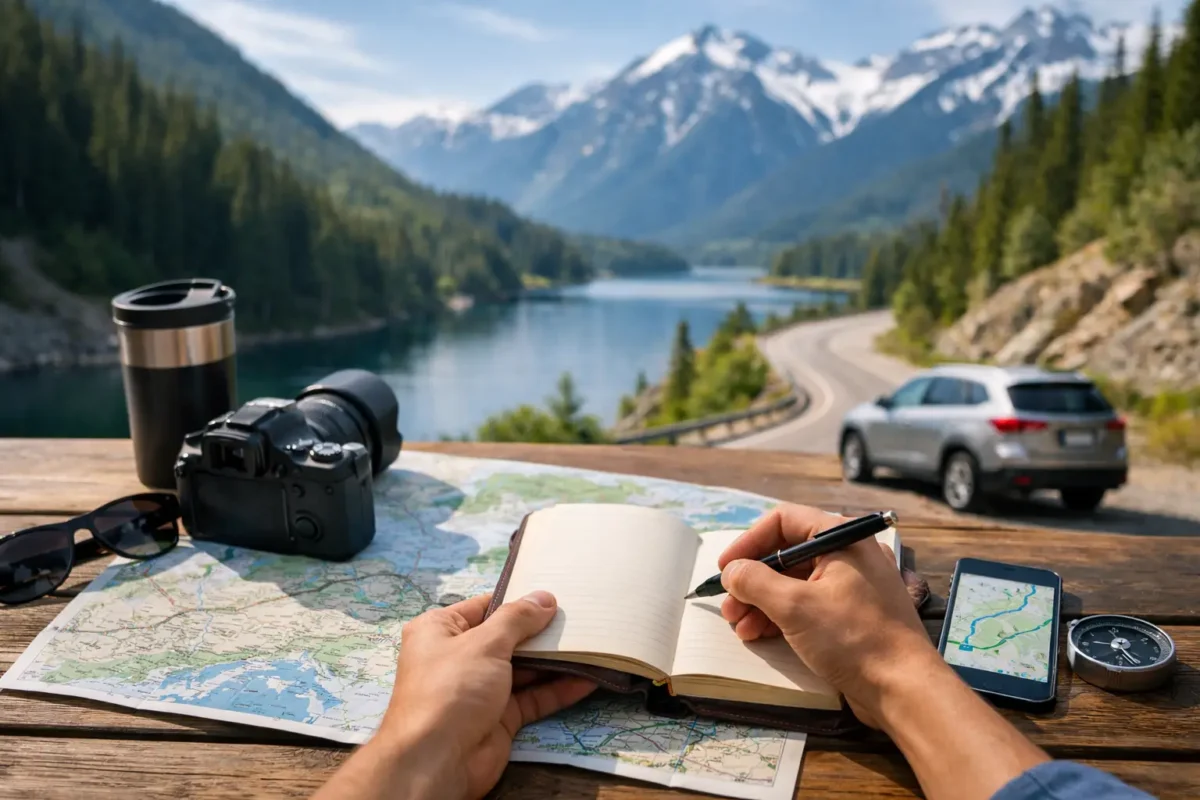
A great drive is not measured by how much ground you cover. It is measured by the moment a sweeping curve reveals a limestone ridge, the engine note settles into the cabin, and everyone in the car agrees there is nowhere else they would rather be. Learning how to plan scenic drive itineraries is less about drawing the fastest line between destinations and more about composing a day with pace, atmosphere, and a few well-chosen surprises.
For a Hill Country escape, that distinction matters. The right route can turn a winery reservation, a romantic weekend, or an afternoon behind the wheel of a performance car into the centerpiece of the trip.
Start With the Feeling You Want to Create
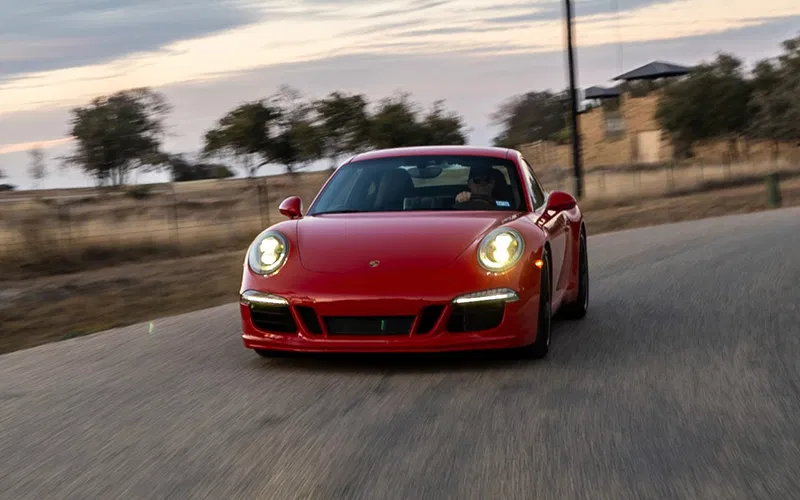
Before opening a map, decide what the drive is meant to feel like. A spirited morning in a Porsche calls for different roads and timing than an elegant anniversary afternoon in an Aston Martin. One may favor elevation changes, clean corners, and an early departure; the other may call for a graceful route between a vineyard lunch, a boutique hotel, and golden-hour photographs.
Give the itinerary a clear character. It might be a performance-focused loop, a wine-country ramble, a celebration drive, or a day built around quiet scenery and exceptional meals. This choice guides everything that follows: your vehicle, road selection, stop length, departure time, and even what you wear.
A scenic drive should also suit its passengers. A car enthusiast may be happy with several hours of technical roads and a brief coffee stop. A couple visiting for a milestone may prefer fewer miles, a longer lunch, and enough unhurried time to enjoy each view. Neither approach is more refined. The best itinerary reflects the people inside the car.
How to Plan Scenic Drive Itineraries Around the Road
The scenic designation on a map is only a starting point. Look for roads with visual variety: rolling terrain, ranch gates, creek crossings, vineyard country, native oak, exposed stone, and long views that reward a slower pace. In the Texas Hill Country, the most memorable routes often live beyond major highways, where farm-to-market roads connect small towns, tasting rooms, and wide-open landscapes.
Yet beautiful roads come with trade-offs. Narrow pavement, blind rises, loose gravel at intersections, wildlife, and changing weather all deserve respect. A route that is thrilling in a responsive sports car can be tiring after dark or in heavy rain. Build the drive for enjoyment, not for proving a point.
Use a loop whenever possible. Loops feel intentional, eliminate the sense of retracing your day, and make it easier to return a vehicle on time. If your route must be out and back, vary the experience with different stops or reserve one direction for a more leisurely pace.
For a half-day outing, aim for roughly two to three hours of actual driving. That may sound modest, but scenic miles take longer than freeway miles, and the experience improves when the schedule leaves room to stop. A full day can support four to five hours behind the wheel, provided it includes a proper meal, a few moments outside the car, and a realistic finish time.
Choose Roads That Suit the Vehicle
The vehicle should feel at home on the itinerary. A low-slung exotic or finely tuned grand tourer shines on smooth, well-maintained pavement with elegant curves and sufficient space to settle into its rhythm. Rough shortcuts, questionable shoulders, and unpaved detours rarely improve the story.
Consider practical details before committing to a road: fuel availability, signal coverage, construction notices, daylight, and the location of your final stop. If you are driving an unfamiliar performance car, allow a few easy miles at the beginning of the route to become comfortable with visibility, braking feel, and controls. The goal is confidence, not haste.
Build Stops With Purpose, Not Just Pins on a Map
A common mistake is treating every appealing place as a required stop. An itinerary crowded with tasting rooms, overlooks, shops, and restaurants can make a beautiful drive feel like an obligation. Select two anchor moments and one flexible stop instead.
An anchor might be a reservation at a vineyard, a polished lunch, a private tasting, or a destination known for its setting. The flexible stop should be easy to skip if the day is running long – a roadside farm stand, a scenic pull-off, or a coffee in a small town. This structure keeps the itinerary composed without making it rigid.
Pay attention to the order. Begin with the roads that matter most, when energy is high and the light is still clean. Place lunch or a tasting near the middle of the day, then reserve a more relaxed stretch for the return. If photographs matter, identify where golden light will fall and avoid planning a long indoor stop just before sunset.
Reservations are especially valuable on weekends and during festival seasons in Fredericksburg. They protect the rhythm of the day and remove the uncertainty of arriving at a sought-after table or tasting room only to wait. Still, leave a buffer of at least 20 to 30 minutes around any fixed booking. Country roads reward flexibility.
Time the Drive Like a Host
The difference between a pleasant route and a memorable one is often timing. Depart early for cooler temperatures, fewer vehicles, and a calmer start. Morning light gives the landscape dimension, while an early departure leaves room for a long lunch without compressing the rest of the day.
Golden hour is equally compelling, particularly for a romantic drive or a special occasion. The trade-off is that sunset arrives with a deadline. If your finish point is not close, the final part of the drive may happen in darkness, when scenic roads become less about views and more about vigilance. Plan to reach your final destination before the light disappears, or deliberately choose a route you know is comfortable after sunset.
Season changes the equation. Spring wildflowers and fall color can make a familiar stretch feel entirely new, but they also bring more visitors. Summer rewards early starts and shaded stops. Winter can offer crisp, quiet roads and a more intimate pace, although shorter days demand tighter planning.
Make Room for the Unexpected
The best drives have structure, but they should never feel overmanaged. Leave 15 to 20 percent of the day unscheduled. That is the margin that lets you linger over a remarkable view, follow a recommendation from a local, or pause when the road suddenly presents the perfect frame for a photograph.
This margin also protects the experience when reality intervenes. A slow-moving truck, a closed road, a late reservation, or an unexpected rain shower should not unravel an otherwise beautiful day. Download your route in advance, carry water, and have one alternate road in mind. These small preparations are quiet luxuries: they preserve ease.
Balance Indulgence With Responsibility
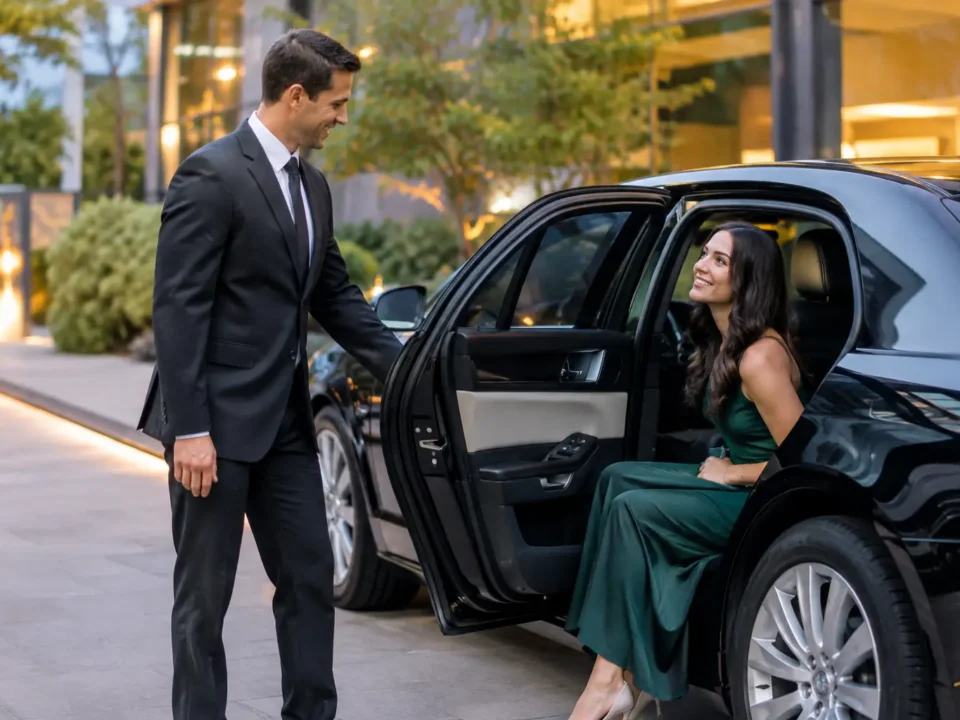
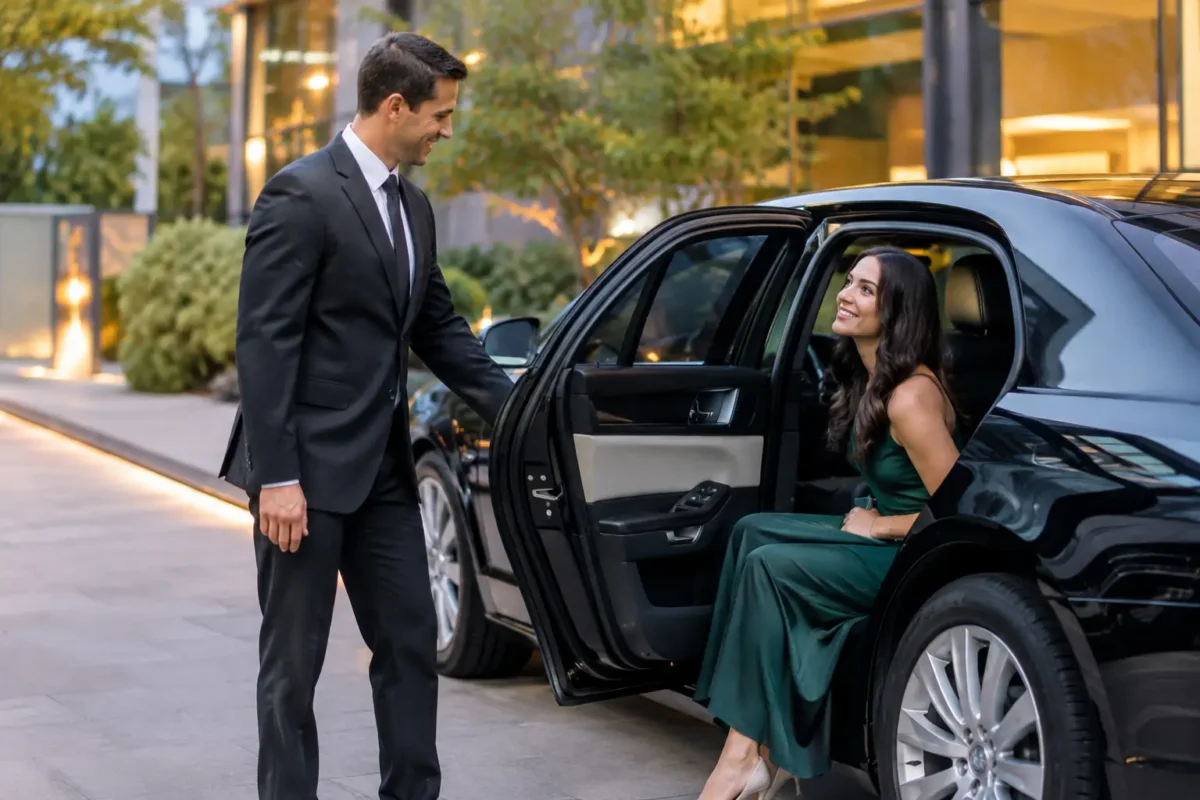
Scenic driving and wine country naturally belong together, but the plan must make room for responsible choices. If tastings are central to the day, designate a non-drinking driver, arrange a professional driver, or make the vineyard visit the final stop before an overnight stay. A luxury itinerary should never ask anyone to compromise safety for the sake of fitting in one more pour.
The same principle applies to pace. Enjoy the car’s character where conditions allow, but stay within posted limits and drive with care for cyclists, wildlife, local residents, and other travelers. A properly planned route does not need reckless speed to feel exhilarating. A well-balanced chassis, an open view, and a road that flows naturally are more than enough.
Finish Somewhere Worth Arriving
Do not let the itinerary simply fade out in a parking lot. End at a place that gives the drive a final note: a refined hotel, a memorable dinner, a hilltop terrace, or a quiet property where the car can cool as the evening begins. The arrival is part of the experience, especially when the vehicle is as considered as the destination.
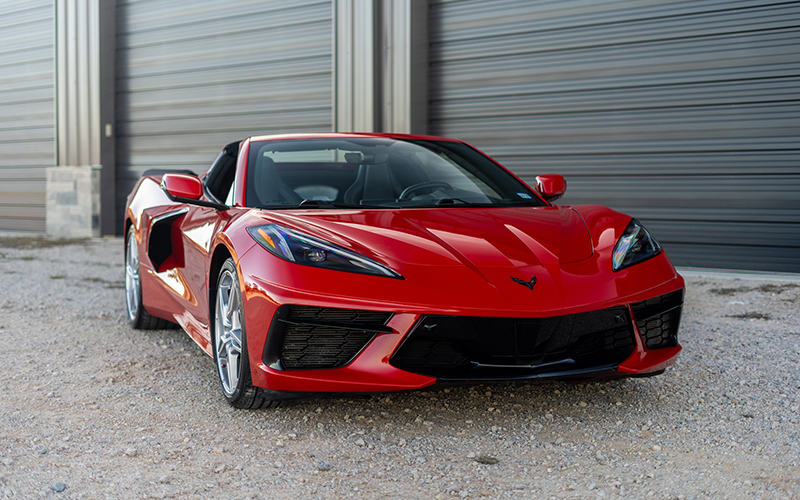
For guests who want the Hill Country presented at its most polished, Kraft & Klasse can make the vehicle and route part of one cohesive occasion. The right machine changes the scale of a simple drive. A Corvette can bring immediacy to a curving back road; a Maserati or Aston Martin can make a winery arrival feel appropriately cinematic.
Plan the road with intention, leave space for discovery, and choose an ending that feels earned. Then the itinerary becomes more than directions – it becomes a day people will remember each time they hear an engine rise through a bend.