
A Refined Guide to Hill Country Car Tours

Luxury Rental Versus Rideshare Travel in Texas
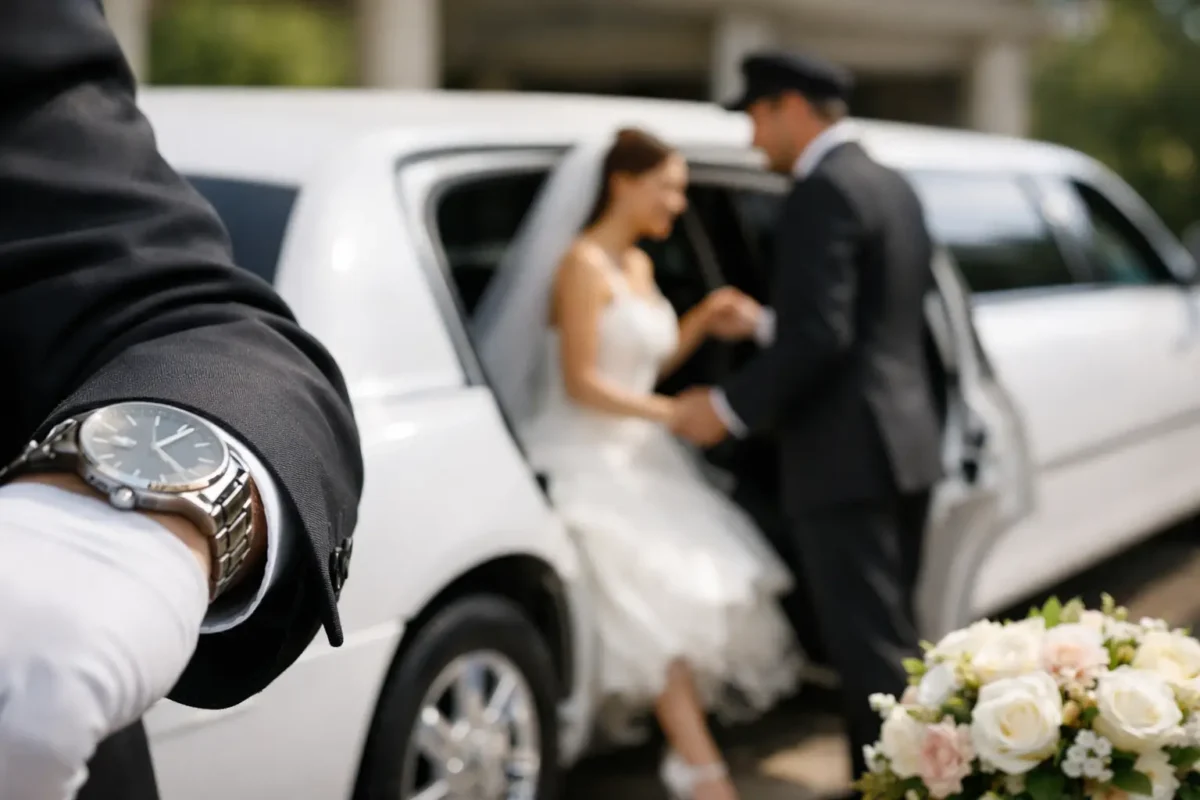
A late champagne toast is charming. A late bride, groom, or wedding party is not. So, when should wedding transportation arrive? For most celebrations, the vehicle should be on-site 15 to 30 minutes before its first scheduled passenger pickup, with additional time built in for photographs, loading, and the small adjustments that make a wedding day feel composed rather than rushed.
The right arrival time depends on more than the distance between the hotel and venue. It reflects the scale of the party, the vehicle itself, the season, the route, and how prominently the car figures into the celebration. A collector-grade sports car making a grand entrance deserves a different plan than a shuttle moving 40 guests from a resort to a ranch reception.
When Should Wedding Transportation Arrive for the Ceremony?
For the couple’s transportation, plan for arrival 30 minutes before departure from the getting-ready location. That buffer gives the driver time to confirm the address, choose the safest and most elegant position for loading, and account for a last-minute wardrobe adjustment or a photo opportunity that runs long.
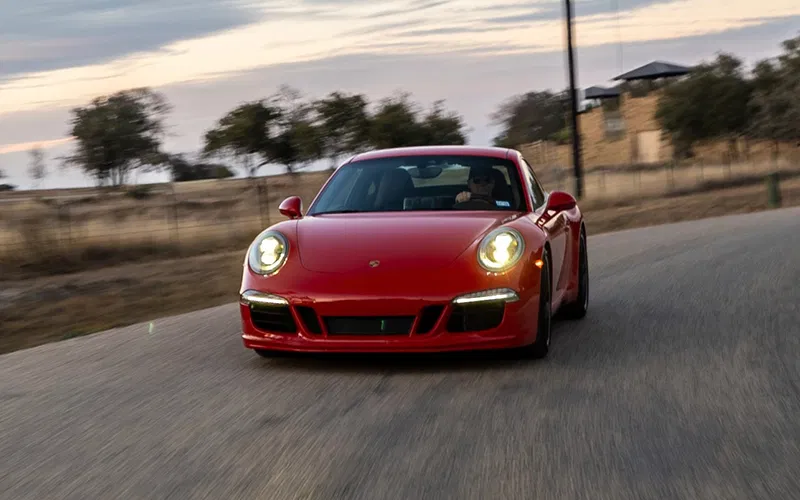
If the vehicle will appear in pre-ceremony portraits, have it arrive 45 to 60 minutes before the first photo call. A Porsche, Aston Martin, Maserati, or Corvette is more than a way to cover a few miles between venues. It can become part of the visual language of the day – a striking detail beside formal attire, a quiet moment away from the crowd, and the first chapter of the getaway story. Allowing time for photography means no one has to choose between the schedule and the shot.
For a ceremony at a Hill Country estate, winery, or ranch, factor in the final approach. Gravel drives, gates, narrow lanes, and parking attendants can add unexpected minutes, especially at properties with multiple event spaces. A professional route review is worth the effort when the entrance needs to look effortless.
Build the Schedule Backward From the First Moment That Matters
The most reliable wedding transportation timeline begins with the non-negotiable moment: the ceremony start, first look, reception entrance, or final departure. Then work backward, adding realistic time for each handoff.
A practical rule is to schedule the couple’s car for pickup 20 to 30 minutes earlier than the absolute latest departure time. If the ceremony begins at 5:00 p.m. and the venue is 20 minutes away, a 4:00 p.m. pickup may sound overly cautious. In reality, it allows for getting settled, a few portraits, traffic, and an unhurried arrival at 4:30 or 4:35. The bride and groom can take a breath before stepping into the next moment, rather than arriving with the processional already forming.
Wedding parties need more lead time than couples. A vehicle carrying several people, dresses, suits, bouquets, garment bags, and a few essential personal items can take 10 to 15 minutes to load properly. Schedule party transportation to arrive at least 30 minutes before boarding and aim to have everyone at the venue 30 minutes before they are needed. This is particularly useful when attendants are participating in family photos, coordinating children, or helping welcome guests.
Guest shuttles operate on a different rhythm. The first shuttle should arrive at its pickup point 15 to 20 minutes before boarding begins, then depart exactly on the published schedule. For a remote venue, consider a second departure window rather than asking a single vehicle to absorb every late arrival. Clear timing protects the ceremony and lets guests enjoy the evening without worrying about the road home.
The Vehicle Changes the Timing
A luxury sedan or SUV can often pull into place and depart with minimal ceremony. An exotic or performance vehicle calls for a little more intention. Low-profile cars may need a clean, level loading area. Formalwear requires careful entry and exit. A convertible brings weather, hair, and photography into the equation. None of these are problems when the plan respects the vehicle.
If you are self-driving a special car, arrive even earlier than you think you need to. The excitement of the occasion can make a simple departure feel less simple. You may need time to adjust the seat around a dress, secure a bouquet, choose a discreet place for personal belongings, or walk through the safest route to the venue. The goal is not to turn the day into an automotive production. It is to enjoy the craftsmanship and presence of the car without introducing pressure.
For a grand exit, place the vehicle at the reception venue 30 to 45 minutes before the planned send-off. This allows it to be positioned beautifully, cleaned if necessary, and kept clear of guest traffic. It also leaves room for a reception timeline that runs a few minutes late, as celebrations often do. The car should be ready when the final song plays, not circling the block while guests gather with sparklers.
Account for the Parts No One Puts on the Invitation
The most polished transportation plans include time for details that rarely appear on a wedding itinerary. Venue access, valet coordination, fuel stops, road construction, weather, and communication all belong in the schedule.
In the Texas Hill Country, weather can be part of the romance and part of the logistics. Summer heat may make a longer outdoor wait uncomfortable. Sudden rain can change a portrait plan and the best loading location. During popular wedding weekends, routes around Fredericksburg may carry more visitor traffic than expected. Add time rather than hoping the road stays clear.
Also consider who holds the decision-making authority on the day. The couple should not be fielding calls about where a vehicle is parked. Give the transportation provider a venue contact, planner, or trusted member of the wedding party who can direct arrivals and approve small changes. Share all addresses, gate codes, pickup names, flight details if applicable, and a final timeline at least several days ahead.
A few details deserve particular attention:
- Confirm whether the venue has a designated entrance, waiting area, or valet procedure for specialty vehicles.
- Provide the exact first passenger-ready time, not only the ceremony or reception start time.
- Ask how weather contingencies and schedule extensions are handled before the wedding day.
- Reserve a comfortable, reliable ride for guests who should not be driving after the reception.
A Sample Wedding Transportation Timeline
Imagine a 5:30 p.m. ceremony at a countryside venue, with the couple staying at a nearby hotel. The wedding party needs to arrive early for photos, while the couple wants a few portraits with their getaway car after the ceremony.
The party vehicle could arrive at the hotel at 3:30 p.m., begin loading at 3:45, and depart at 4:00. That puts everyone at the venue around 4:20, with time to settle in before photos and the ceremony. The couple’s vehicle could arrive at 4:15, ready for a 4:45 departure. Even with a 20-minute drive, they arrive with a margin for a pause, a touch-up, and a calm entrance.
For the exit, have the getaway car positioned by 9:30 p.m. if the planned departure is 10:15. If toasts extend or the dance floor has one more song left in it, the moment stays yours. There is no need to rush an exceptional finale.
Give Luxury the Time It Deserves
Wedding transportation is at its best when no one is watching the clock. The car arrives early, the route feels considered, and the people inside can be present for the moment ahead. Whether your day calls for refined guest logistics or an icon of performance waiting beneath the venue lights, build in the margin that lets the journey become part of the story.