Golden Hour & Grand Arrivals: The Art of Turning Up in the Texas Hill Country
Prost & Presence: An Oktoberfest Weekend in Fredericksburg, Driven in Luxury
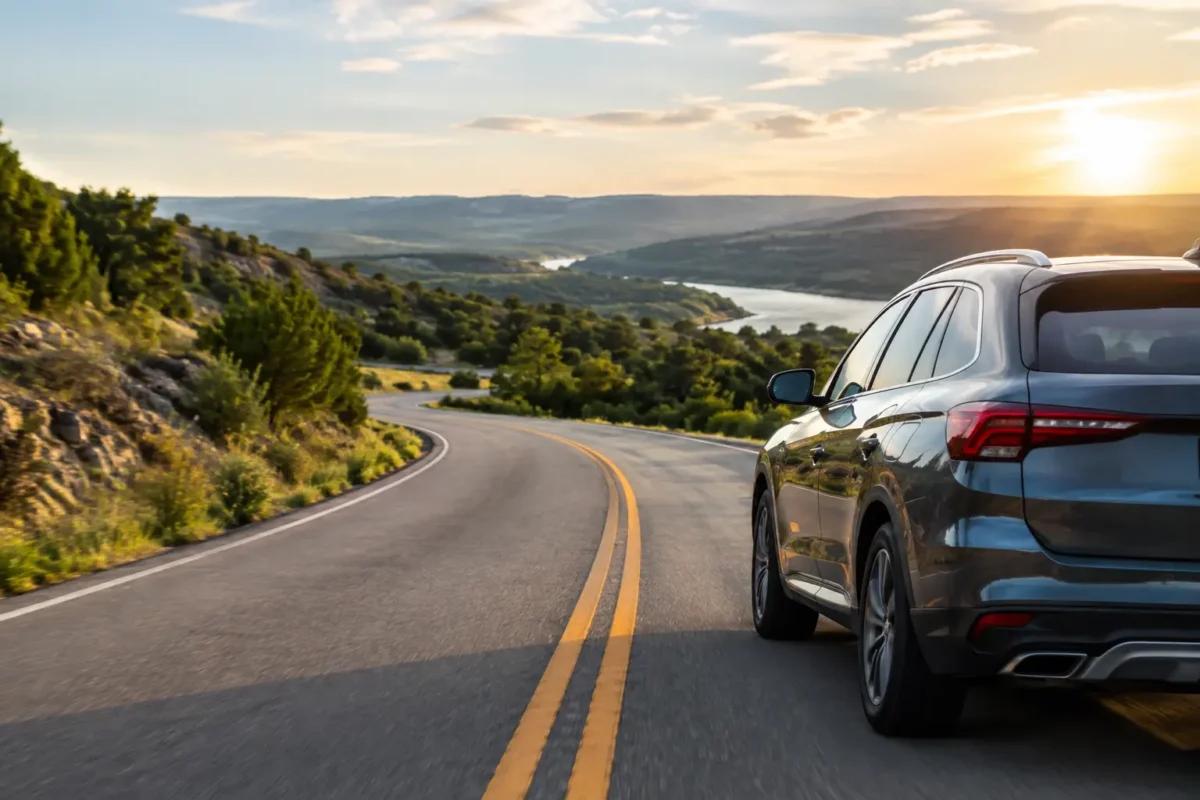
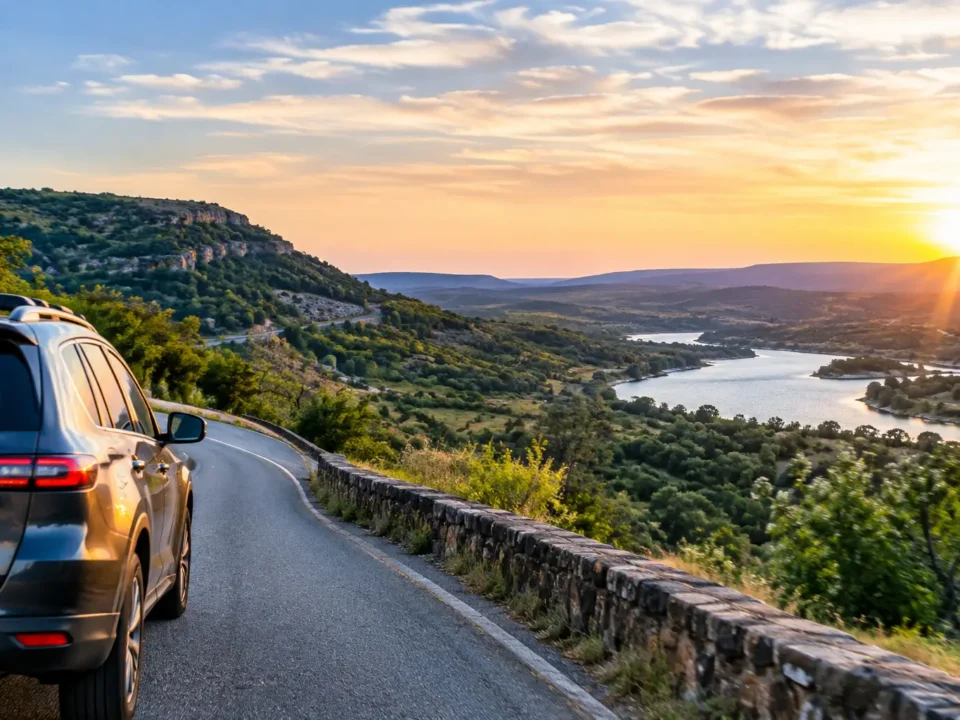
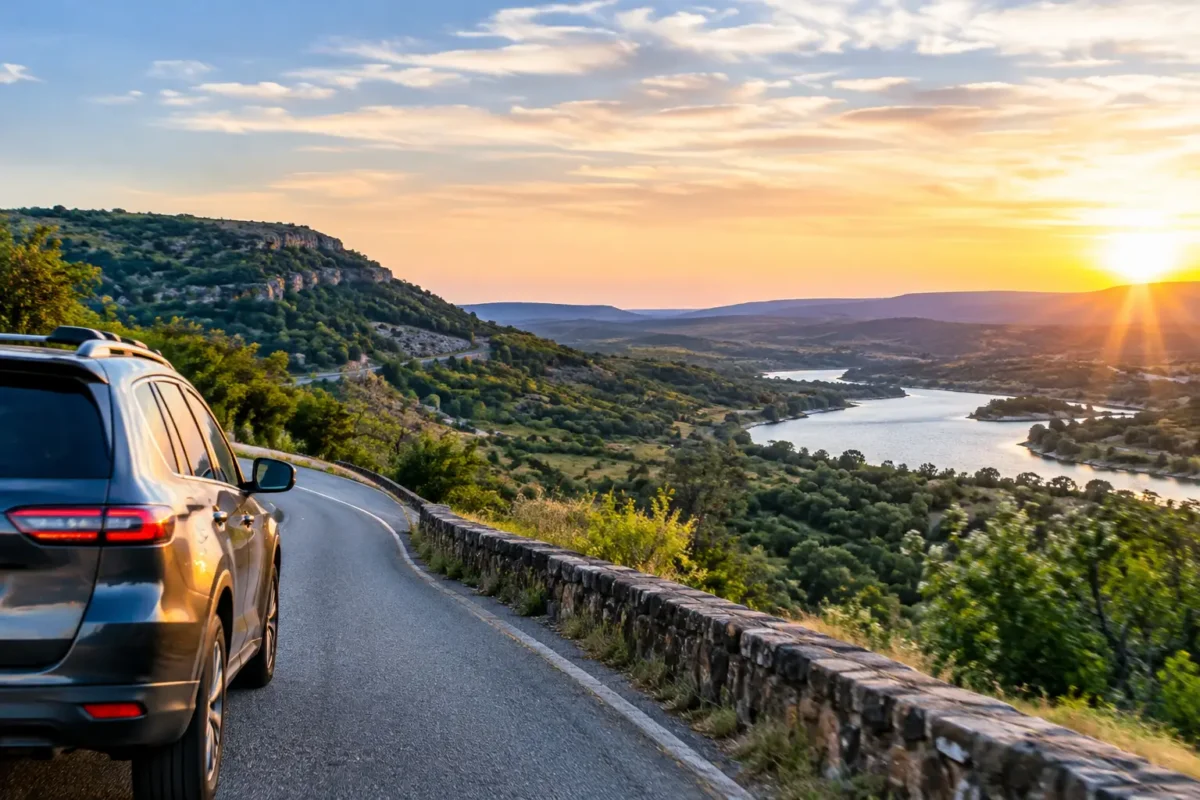
The first bend beyond Fredericksburg can change the entire mood of a weekend. One minute, you are leaving town beneath limestone storefronts and live oaks; the next, the road is rising, curling, and revealing a horizon made for the windshield. To Navigate Hill Country roads well is to treat the drive as part of the occasion, not merely the distance between a hotel, a tasting room, and dinner.
Texas Hill Country rewards unhurried attention. Its routes can feel wonderfully open, but they also ask more of a driver than a straight interstate ever will. Blind crests, tight corners, free-ranging wildlife, changing pavement, and generous stretches without a convenient turnoff all shape the experience. With the right vehicle, timing, and approach, those details become part of a beautifully composed day.
Navigate Hill Country Roads With Intention
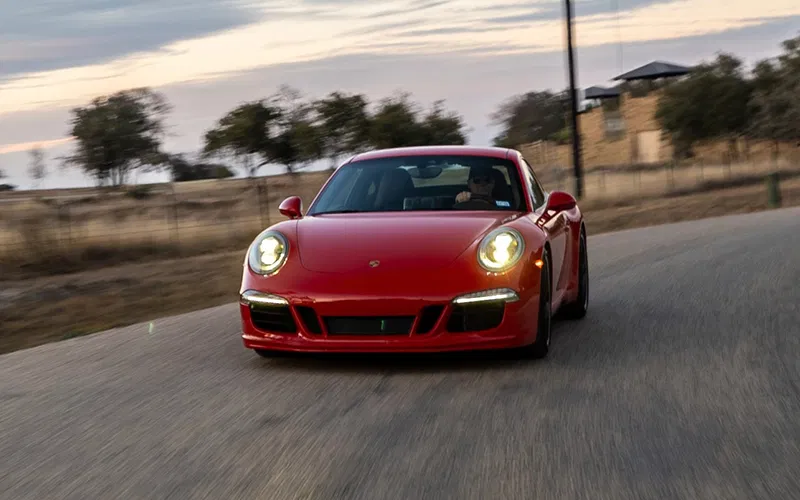
The finest Hill Country drives are not measured by how many miles you cover. They are measured by the moments that stay with you: an early run through cool morning air, the precise response of a performance coupe through a series of sweepers, a quiet pause above a river crossing, or a late-afternoon arrival at a vineyard with the car catching the last gold light.
Start by deciding what the drive should feel like. A couple celebrating an anniversary may prefer a relaxed route with polished stops and generous time for lunch. An enthusiast may want elevation changes, technical corners, and a car that makes every downshift an event. A wedding party or group may value generous cabin space, confident road manners, and an arrival that feels appropriately grand. There is no single best Hill Country route because the right choice depends on the experience you are creating.
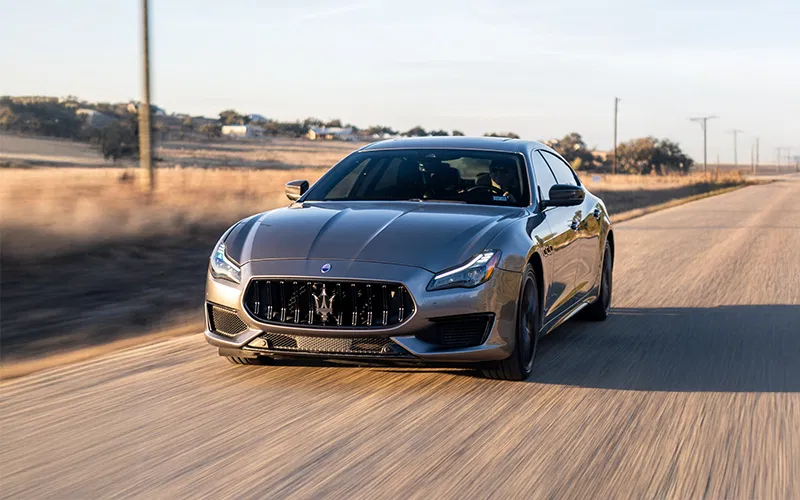
This is also why vehicle selection matters. A Porsche or Corvette brings immediacy and balance to a more spirited day on the road. A Maserati or Aston Martin can lend a more theatrical, grand-touring character to a wine-country afternoon. The goal is not to choose the most dramatic vehicle on paper. It is to choose the one that suits the rhythm of your day, your passenger, your luggage, and the roads you intend to enjoy.
Read the Road Before You Ask More of the Car
Hill Country roads have personality. Some are broad and forgiving, with long views and gentle elevation. Others narrow unexpectedly, carry uneven shoulders, or transition from a fast straight into a corner that demands patience. Beautiful scenery can be a distraction, especially when the landscape opens after a blind rise.
Keep your vision far ahead and enter unfamiliar curves at a pace that leaves room for the unknown. In a performance car, restraint is part of the pleasure. Smooth inputs, deliberate braking, and a clean line through a corner reveal more about a finely engineered vehicle than abrupt acceleration ever will. Let the car do what it was designed to do without turning a scenic drive into a test of luck.
Road conditions also shift with weather. Heavy rain can leave standing water in low areas, while dry periods may bring loose gravel near ranch entrances and construction zones. After dark, deer are a serious consideration throughout the region. Even on a clear evening, reduce speed, use your high beams where appropriate, and give the roadside your full attention. An elegant arrival is always better than a hurried one.
Let the Landscape Set the Pace
There is a particular temptation to over-schedule a Hill Country itinerary. A winery at noon, a distillery at two, a scenic overlook at three, dinner at six – it looks effortless on a calendar until traffic, tasting-room timing, and an unexpected photo stop compress the day.
Build in more space than you think you need. Plan one primary destination, one secondary stop, and enough open time to follow a promising turn or linger over a view. The region is at its best when you are not watching the clock from behind the wheel.
If your itinerary includes tastings, designate a driver or arrange chauffeured transportation. A luxury drive should feel carefree, but it should never compromise judgment. Save the performance-focused portion of the day for before the first pour, then settle into a relaxed, responsible evening.
Plan Around Light, Weather, and Weekends
Early morning is one of the most rewarding times to be on the road. The air is cooler, local traffic is lighter, and the low sun gives the hills, ranch gates, and limestone cuttings a cinematic clarity. It is an especially fitting window for guests who want a focused drive before breakfast or a more private-feeling route before the day gathers momentum.
Late afternoon has its own appeal. The light softens, vineyard rows take on richer color, and the drive becomes a natural prelude to dinner. This is prime time for photographs, although it is also when you should be more alert for wildlife. If you are planning a sunset stop, leave enough daylight to return on roads you know or choose accommodations close to your final destination.
Weekends, festival dates, and harvest-season events can alter the character of popular routes. More traffic does not make the drive less worthwhile, but it changes the strategy. Depart earlier, make reservations, and favor quality over quantity. A day with two exceptional stops and a calm return is more luxurious than trying to collect six hurried experiences.
Bring the Right Essentials, Keep the Cabin Refined
A high-end vehicle deserves a little forethought. Before departure, confirm your fuel level, load navigation before service becomes spotty, and make sure everyone is comfortable with the day’s plan. Hill Country cell coverage can be inconsistent in more rural pockets, so a downloaded map or a clearly understood route is a smart precaution.
Keep what you bring purposeful. Sunglasses, sunscreen, water, a light layer for cooler evenings, and a phone charger cover most needs. If you are carrying purchases from a winery or boutique, consider the available cargo space when choosing your vehicle. A sleek coupe is unforgettable for two; a grand tourer or luxury SUV may be the better fit when the day includes luggage, floral arrangements, or several cases of wine.
For special occasions, think through the details before the engine starts. Formal attire can be managed beautifully, but avoid placing delicate fabrics, loose accessories, or oversized garment bags where they may interfere with a comfortable cabin. For a proposal, anniversary, or wedding send-off, map the arrival point and parking situation in advance. The most polished moments appear effortless because someone planned for them.
Choose Stops That Earn Their Place
The Hill Country is filled with worthy destinations, but the drive needs breathing room. Pair a scenic route with one or two places that match its mood. A refined lunch, a reserved tasting, a quiet boutique stay, or an overlook with room to pause can turn a strong drive into a complete day.
Consider the transition between stops. A low-slung exotic car is glorious on well-paved curves and memorable at the right destination, yet it may not be ideal for a long unpaved driveway or a parking area with severe grade changes. Ask ahead if a venue has gravel access, limited turning space, or restricted parking. This is not a reason to avoid exceptional places. It is a reason to choose the right vehicle and arrive prepared.
For guests who would rather focus entirely on the view, a curated route takes the guesswork out of the experience. Kraft & Klasse pairs distinctive vehicles with local knowledge so the journey can feel tailored rather than improvised – whether the occasion calls for a spirited morning drive, a wine-country escape, or an arrival designed to be remembered.
Make the Return as Considered as the Departure
The final leg of a great drive is often where planning matters most. Do not leave the return route as an afterthought, particularly after sunset. Check fuel, confirm the time, and decide whether the evening calls for one last scenic stretch or the most direct road back to town.
A composed finish protects the feeling of the entire day. Pull in with enough time to freshen up before dinner, exchange driving stories over a nightcap, or simply let the engine tick softly as the hills settle into darkness. The road has done its work when it leaves you with more than photographs: it leaves you with a memory that still feels alive long after the weekend ends.