The High-Flyer’s Guide to Luxury Driving Tours in the Texas Hill Country
How to Integrate a Luxury Car Rental in Texas Hill Country With Your Vineyard Stay
A winery driving tour can feel either effortlessly glamorous or oddly rushed, and the difference is usually decided before the first pour. If you are wondering how to plan a winery driving tour, the real work is not picking the prettiest vineyard photos. It is building a day with the right rhythm, the right distances, and the right level of comfort from the driver’s seat onward.
The best wine days are not measured by how many tasting rooms you collect. They are defined by how the day unfolds – an easy departure, scenic roads, reservations that actually fit the pace, and a car that makes every stretch between stops feel like part of the occasion. In wine country, the drive is not dead time. It is part of the story.
How to Plan a Winery Driving Tour Without Overloading the Day
Most people start with a list of wineries. A better starting point is time. Once you know how many hours you want the experience to last, your route gets much easier to shape.
For most couples or small groups, three wineries is the sweet spot. Four can work if the properties are close together and the tastings are concise. Beyond that, the day often turns transactional. You stop noticing the landscape, the wines begin to blur together, and the final reservation feels more like an obligation than a pleasure.
A strong tour usually has a clear arc. Begin with a polished tasting room or estate where the service sets the tone. Follow with a second stop that offers contrast, whether that means a more intimate producer, a bolder red program, or a different atmosphere altogether. End somewhere that invites you to linger, ideally with a view, a relaxed patio, or food service that lets the day settle in gracefully.
This is where discipline matters. A winery driving tour is not a scavenger hunt. Leave room for delayed departures, conversation, a scenic detour, and that inevitable moment when one property is too beautiful to leave quickly.
Build the Route Around Geography, Not FOMO
The most elegant tours are geographically tight. If your wineries are spread across opposite sides of a region, the day becomes a sequence of long drives interrupted by brief tastings. That is rarely luxurious, no matter how beautiful the destinations are.
Cluster stops by area and map actual driving times, not rough assumptions. Ten miles on a winding two-lane road can take longer than expected, especially on weekends. Keep transitions comfortable. Fifteen to twenty-five minutes between wineries usually feels ideal. It preserves the pleasure of the drive without turning the itinerary into a road trip with wine breaks.
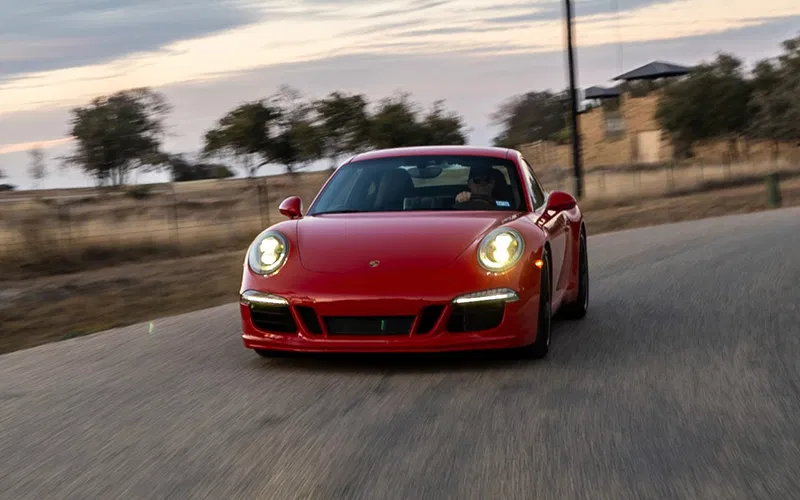
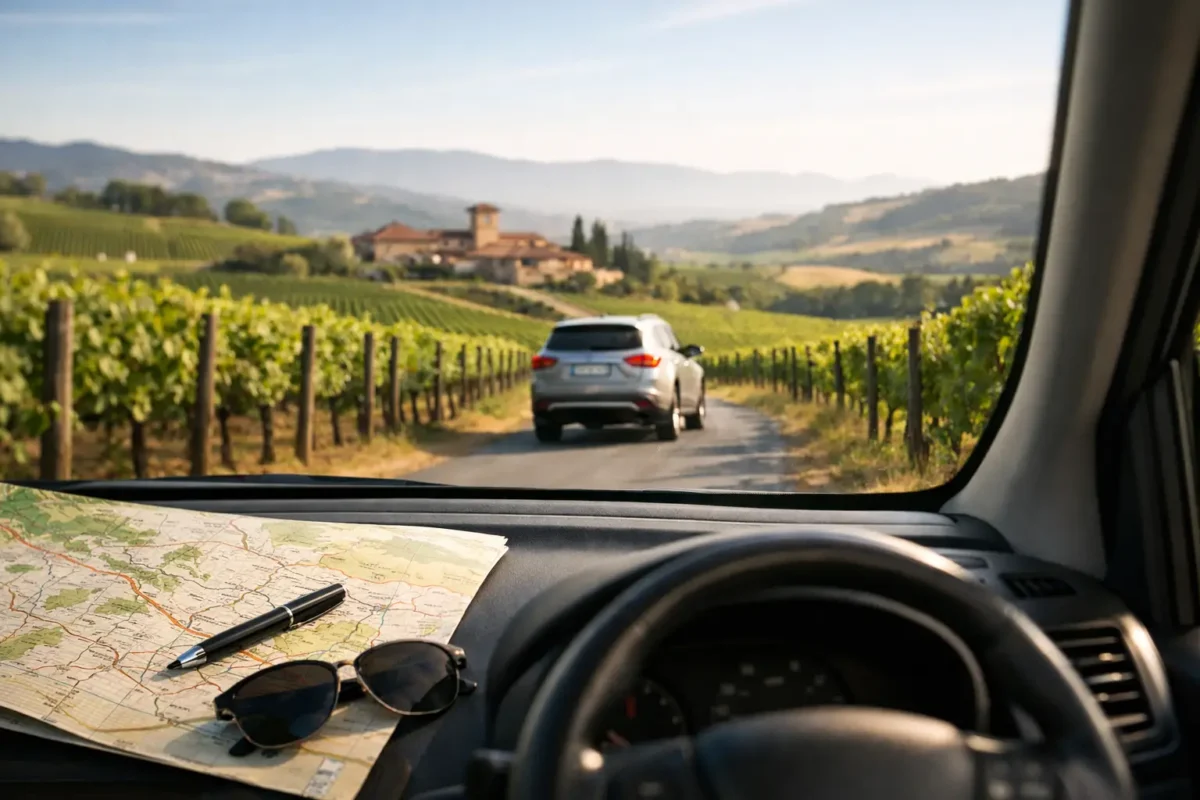
If you are planning in a destination like the Texas Hill Country, route design matters even more. The roads can be part of the appeal, with broad views, rolling curves, and stretches that reward a car chosen for more than utility. A well-planned route allows those roads to shine without asking anyone to spend the day checking the clock.
Choose the Right Time of Day and Start Earlier Than You Think
Late starts have a way of compressing everything. A first tasting at noon sounds civilized until lunch runs long, the second winery is behind schedule, and the final stop feels rushed.
A smarter approach is to begin late morning, usually around 10:30 or 11:00. That gives you enough time for a proper first tasting and keeps the middle of the day open for lunch or a more immersive second stop. It also places you on the road before peak afternoon traffic in busier wine destinations.
Season matters too. In warmer months, earlier departures are simply more comfortable. In cooler weather, a midday patio tasting may be ideal. The point is not to follow a generic template. It is to match the route to the conditions so the day feels tailored rather than scheduled.
Reserve Tasting Experiences With Intention
Not all winery visits ask for the same amount of time. A standard seated tasting may take 60 to 75 minutes. A reserve experience, cellar tour, or food pairing can easily run 90 minutes or longer. If you treat every stop as interchangeable, your itinerary will break down quickly.
Read what each reservation actually includes and budget time accordingly. If one winery is known for a more educational tasting, let that be your centerpiece rather than squeezing it between two shorter visits. If another is prized mainly for the setting, schedule it when you can enjoy the property instead of hurrying through a flight to stay on pace.
It is also wise to leave a buffer between appointments. Fifteen minutes of breathing room can save an entire afternoon. Luxury always feels unhurried, even when it is precisely planned.
Food Is Part of the Strategy, Not an Afterthought
One of the quickest ways to flatten a wine tour is to treat lunch as optional. Even experienced wine drinkers will feel the effects of multiple tastings more sharply without a real meal.
Plan food into the day from the start. That might mean a winery with a full kitchen, a reservation at a nearby restaurant, or a deliberate stop for a well-packed picnic where allowed. What matters is that it is substantial enough to support the tasting schedule ahead.
There is also a stylistic decision here. A winery lunch can keep the day visually and atmospherically cohesive. A restaurant break, on the other hand, gives the palate a reset and introduces a different social energy. Neither is inherently better. It depends on whether you want the day to feel fully immersed in vineyard life or more varied and destination-driven.
Pick a Car That Fits the Experience
If you care about design, hospitality, and the mood of the day, the vehicle should never be an afterthought. A winery driving tour has a visual and emotional dimension, and the car frames both.
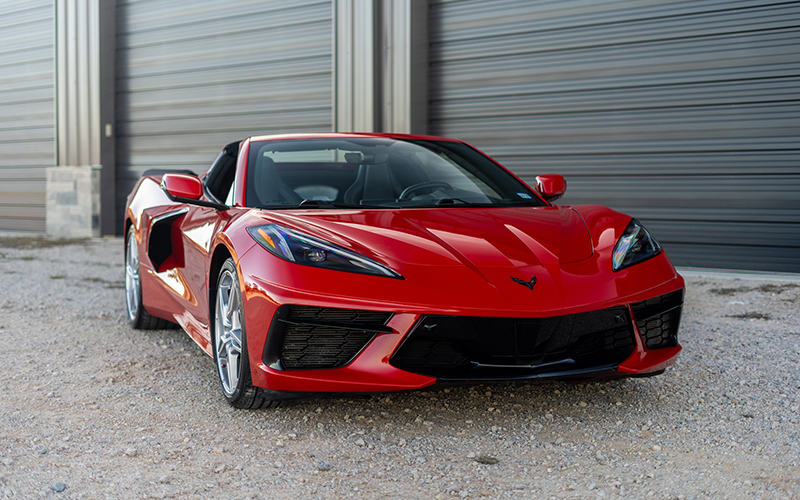
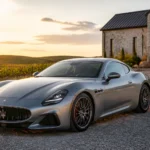
A grand touring coupe or convertible suits couples who want the route itself to feel cinematic. A luxury SUV may be the stronger choice for a group that values space, easier entry, and room for purchases. Performance matters, but so do comfort, cabin quiet, and how you feel pulling into each property.
This is one reason curated driving experiences stand apart from standard rentals. The right car changes the tempo of the day. It sharpens the departure, elevates the in-between moments, and makes even a simple stretch of country road feel considered. For guests who want wine country with more presence, Kraft & Klasse understands that the vehicle is not just transportation. It is part of the destination experience.
Decide Early Who Is Driving
This is the least glamorous detail and one of the most important. If the day includes multiple tastings, the driving plan should be resolved well before the first reservation is made.
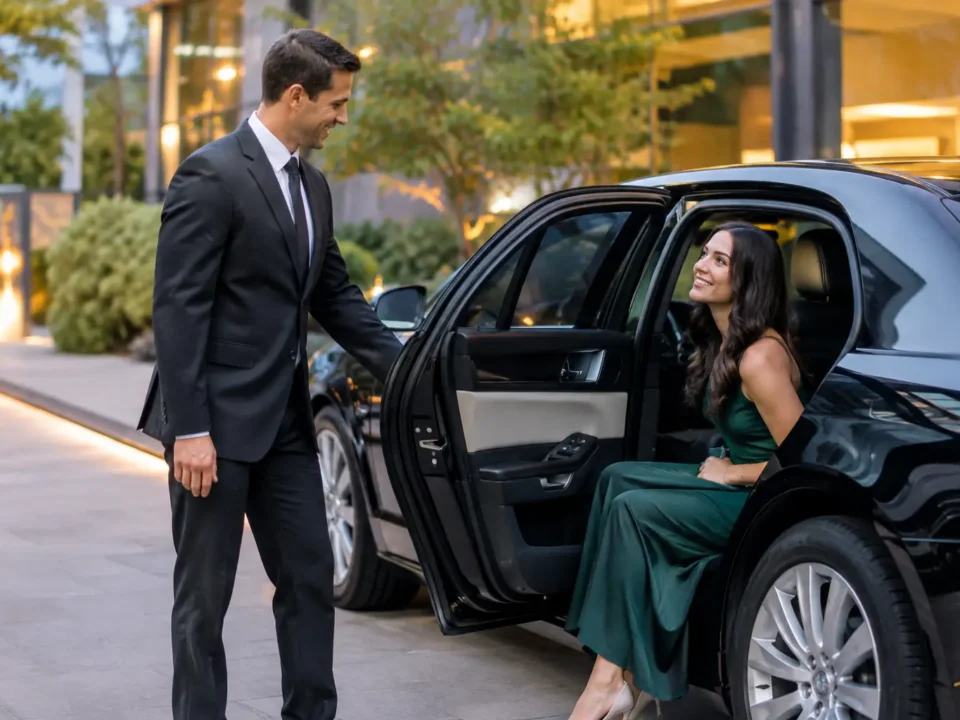
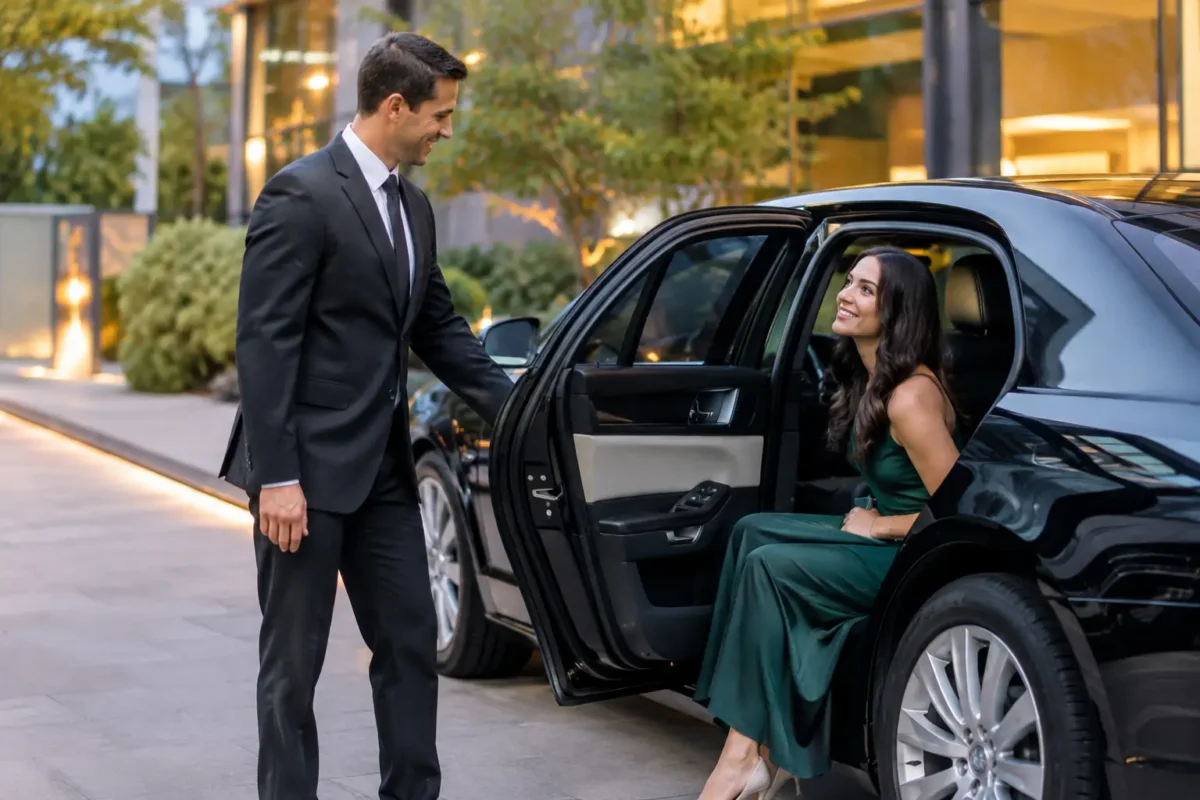
For some groups, that means one person abstains or tastes minimally. For others, a chauffeured or hosted option is the smarter choice, especially when the goal is to relax fully and enjoy the route without monitoring consumption. There is no prestige in forcing a self-drive format onto a day that would be better served by dedicated transportation.
If you do self-drive, be realistic. Pour sizes, winery generosity, weather, and meal timing all influence how the day feels. The refined choice is the safe one, every time.
How to Plan a Winery Driving Tour for Couples, Groups, and Celebrations
The ideal itinerary changes depending on the occasion. A couple’s wine day can lean quieter, with longer tastings, scenic pauses, and a car chosen for style as much as practicality. Small groups usually need more structure, especially around reservation timing and lunch, because delays multiply fast once more opinions enter the mix.
Celebratory tours deserve even more editing. Birthdays, anniversaries, and wedding weekends often tempt people to overbook. Resist that urge. One standout property, one excellent meal, and a drive worth remembering will usually outperform a packed schedule of average stops.
The more elevated the occasion, the more restraint pays off.
Leave Room for Purchases, Weather, and Mood
The polished itinerary on paper is only half the story. Real wine days shift. You may want extra time at a winery with exceptional hospitality. A patio tasting may move indoors because of heat or rain. Someone may fall in love with a bottle selection and need time to arrange shipping or purchases.
Build for that. The best plans are structured but forgiving. They create confidence without squeezing out spontaneity.
That is really the answer to how to plan a winery driving tour well. You are not just organizing stops. You are composing a day with pacing, scenery, service, and comfort working together. When each part is chosen with care, the wineries are only part of the pleasure. The road between them becomes just as memorable.